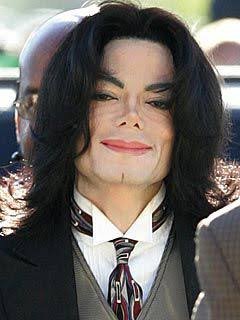
When people search “when did Michael Jackson die and how did he die,” they are usually looking for two straightforward answers: the date of his death and the official cause. Michael Jackson, one of the most influential entertainers in modern music, died unexpectedly in Los Angeles on June 25, 2009, at the age of 50.
His death was linked to acute propofol intoxication, with the Los Angeles County coroner also identifying a benzodiazepine effect as a contributing factor. The manner of death was officially classified as a homicide.
The circumstances surrounding Jackson’s death later became the subject of a major criminal case involving his personal physician, Dr. Conrad Murray. This article explains what happened, what the medical findings showed, and what the subsequent investigation established.
Key Takeaways
- Michael Jackson died on June 25, 2009, in Los Angeles, California.
- He was 50 years old when he died.
- The official cause of death was acute propofol intoxication, with a benzodiazepine effect also identified.
- The Los Angeles County coroner classified the manner of death as homicide.
- Jackson was being treated by his personal physician, Dr. Conrad Murray, at the time.
- Murray was later convicted of involuntary manslaughter in connection with Jackson’s death.
Biography Table
| Detail | Information |
|---|---|
| Full Name | Michael Joseph Jackson |
| Date of Birth | August 29, 1958 |
| Age at Death | 50 |
| Birthplace | Gary, Indiana, United States |
| Nationality | American |
| Profession | Singer, songwriter, dancer, entertainer |
| Years Active | 1964–2009 |
| Known For | Thriller, “Billie Jean,” “Beat It,” “Bad,” and “Smooth Criminal” |
| Major Achievements | Multiple Grammy Awards and worldwide recognition as a major popular-music performer |
When Did Michael Jackson Die?
Michael Jackson died on June 25, 2009. He was 50 years old.
He died at his rented home in the Holmby Hills area of Los Angeles while preparing for his planned This Is It concert residency in London. His death came just weeks before the scheduled start of those performances.
The news quickly became a major international story. Jackson had remained one of the world’s best-known entertainers decades after his rise to fame as a member of the Jackson 5 and his subsequent solo career.
The Los Angeles County Medical Examiner’s office is responsible for determining the cause and manner of deaths within its jurisdiction, including sudden and unexpected deaths.
How Did Michael Jackson Die?
Michael Jackson died from acute propofol intoxication.
Propofol is a powerful intravenous anesthetic normally used in controlled medical settings. It is generally administered with careful monitoring because it can affect breathing and other vital functions.
The Los Angeles County coroner’s findings stated that propofol was the primary cause of Jackson’s death. A benzodiazepine effect was also listed as an additional factor. The coroner identified lorazepam, a benzodiazepine medication, among the drugs relevant to the death.
In simple terms, Jackson’s death was caused by the effects of drugs, with propofol playing the central role identified by the medical examiner.
What Is Propofol?
Propofol is an intravenous anesthetic commonly used to induce and maintain general anesthesia.
Unlike ordinary sleeping medication, propofol is a powerful anesthetic that requires appropriate medical supervision. Its effects can include significant depression of the central nervous system and breathing.
That distinction is important when discussing Jackson’s death. The drug was not simply an ordinary sleep aid; it is a medication normally associated with anesthesia and controlled clinical environments.
What Happened on June 25, 2009?
On the morning of June 25, Jackson was receiving medical care from his personal physician, Dr. Conrad Murray.
Murray had been working with Jackson while the singer prepared for his planned London concerts. During the period leading up to Jackson’s death, Murray had been administering propofol as part of efforts to address Jackson’s severe sleep difficulties.
According to evidence later presented during Murray’s trial, Jackson was given propofol and other medications on the morning of his death. Murray subsequently discovered that Jackson was not breathing and attempted to respond to the emergency.
Emergency personnel were eventually called, and Jackson was transported to Ronald Reagan UCLA Medical Center. Attempts to resuscitate him were unsuccessful.
Jackson was pronounced dead later that day.
What Did the Autopsy Show?
A postmortem examination was conducted by the Los Angeles County coroner.
The official findings determined that Jackson had died from acute propofol intoxication. The report also identified the effects of benzodiazepines as an additional factor.
The findings did not describe his death as the result of a long-term natural disease. Instead, the determination centered on the effects of medications administered before his death.
The Official Manner of Death
It is useful to distinguish cause of death from manner of death.
The cause describes the medical condition or injury that resulted in death. In Jackson’s case, this was acute propofol intoxication.
The manner describes the circumstances surrounding the death. The Los Angeles County coroner classified Jackson’s death as a homicide.
In this context, the classification did not mean that Jackson was killed in a conventional violent attack. It reflected the coroner’s determination about the circumstances surrounding the administration of the drugs.
Who Was Dr. Conrad Murray?
Dr. Conrad Murray was Jackson’s personal physician during the period leading up to the singer’s death.
Murray became the central figure in the legal proceedings that followed because he had been responsible for Jackson’s medical care on the day he died.
The prosecution argued that Murray’s administration of propofol and his subsequent actions amounted to involuntary manslaughter. Murray’s defense disputed aspects of the prosecution’s account and argued that Jackson could have administered the fatal dose himself.
The case therefore involved both medical evidence and questions about the standard of care provided to Jackson.
What Happened to Conrad Murray?
Conrad Murray was charged with involuntary manslaughter in connection with Jackson’s death.
His trial took place in Los Angeles in 2011. After considering the evidence, a jury found Murray guilty of involuntary manslaughter on November 7, 2011.
Murray was subsequently sentenced to four years in prison. Contemporary reporting noted that the sentence was the maximum available term for the conviction at the time.
The conviction established the criminal-justice outcome of the case involving Jackson’s personal physician.
Why Was Michael Jackson Using Propofol?
Jackson reportedly had severe difficulty sleeping while preparing for his planned comeback concerts.
During the criminal trial, evidence showed that Murray had been administering propofol to Jackson in an effort to help him sleep. The use of the anesthetic became one of the central issues in the case because propofol is a powerful medication that requires appropriate medical monitoring.
The situation illustrates why medications designed for anesthesia are fundamentally different from conventional treatments for occasional insomnia.
Was Michael Jackson’s Death an Accident?
The answer requires some distinction.
The medical cause of death was acute propofol intoxication, while the official manner of death was classified as homicide by the Los Angeles County coroner.
The subsequent criminal proceedings focused on the conduct of Conrad Murray rather than treating Jackson’s death simply as an accidental overdose. Murray was ultimately convicted of involuntary manslaughter.
Therefore, describing Jackson’s death simply as an “accident” leaves out the official determination and the legal findings that followed.
Michael Jackson’s Final Professional Plans
At the time of his death, Jackson was preparing for a major return to live performance.
He had been scheduled to perform a series of concerts in London under the name This Is It. The performances were intended to mark an important return to the concert stage.
Rehearsals were underway when Jackson died. The planned concerts never took place, although footage from the rehearsal period was later used in the documentary Michael Jackson’s This Is It.
His death therefore occurred during a period when he was preparing for a highly anticipated new chapter in his career.
Why Michael Jackson’s Death Had Such a Major Impact
Jackson’s influence extended across several generations.
His career included record-breaking albums, major music videos, elaborate live performances, and innovations in popular entertainment. Albums such as Thriller, Bad, and Dangerous helped establish his lasting cultural influence.
Because he remained internationally famous, news of his death quickly spread around the world.
His death also generated extensive discussion about prescription medications, medical supervision, celebrity healthcare, and the pressures surrounding his planned return to live performance.
Michael Jackson’s Legacy After His Death
Michael Jackson’s musical catalog and cultural influence continued to attract enormous attention after his death.
His songs remained widely recognized, while his music videos and performances continued to be studied and discussed. His influence can be seen across pop music, dance, fashion, music-video production, and live entertainment.
His death also became an important part of his biography because of the unusual circumstances surrounding it and the subsequent legal proceedings.
For readers researching when did Michael Jackson die and how did he die, the key facts are therefore both medical and legal: he died on June 25, 2009, from acute propofol intoxication, and the physician responsible for his care that day was later convicted of involuntary manslaughter.
Frequently Asked Questions
When did Michael Jackson die?
Michael Jackson died on June 25, 2009, in Los Angeles, California. He was 50 years old.
How did Michael Jackson die?
The official cause of death was acute propofol intoxication. The coroner also identified a benzodiazepine effect as an additional factor.
What was Michael Jackson’s official cause of death?
The Los Angeles County coroner determined that Jackson died from acute propofol intoxication, with benzodiazepine effects also contributing.
Was Michael Jackson’s death ruled a homicide?
Yes. The Los Angeles County coroner officially classified the manner of Jackson’s death as homicide.
Who was Michael Jackson’s doctor when he died?
Dr. Conrad Murray was Jackson’s personal physician at the time of his death.
Was Conrad Murray convicted in Michael Jackson’s death?
Yes. Murray was found guilty of involuntary manslaughter in November 2011.
How old was Michael Jackson when he died?
Michael Jackson was 50 years old when he died on June 25, 2009.
What is propofol?
Propofol is a powerful intravenous anesthetic primarily used to induce and maintain anesthesia. Its administration requires appropriate medical monitoring because of its potentially serious effects on breathing and consciousness.
Conclusion
Michael Jackson died on June 25, 2009, at the age of 50. The official medical finding was acute propofol intoxication, with benzodiazepine effects also identified as a contributing factor. The Los Angeles County coroner classified the manner of death as homicide.
The circumstances surrounding his death led to a major criminal investigation and the prosecution of his personal physician, Conrad Murray. In 2011, Murray was convicted of involuntary manslaughter and later sentenced to four years in prison.
Understanding both the medical findings and the subsequent legal case provides the clearest answer to the question “when did Michael Jackson die and how did he die?” His death remains one of the most significant events in the history of modern popular music.
Would you like a shorter version of this article for a news-style page or a more detailed version with a day-by-day timeline?
