Introduction
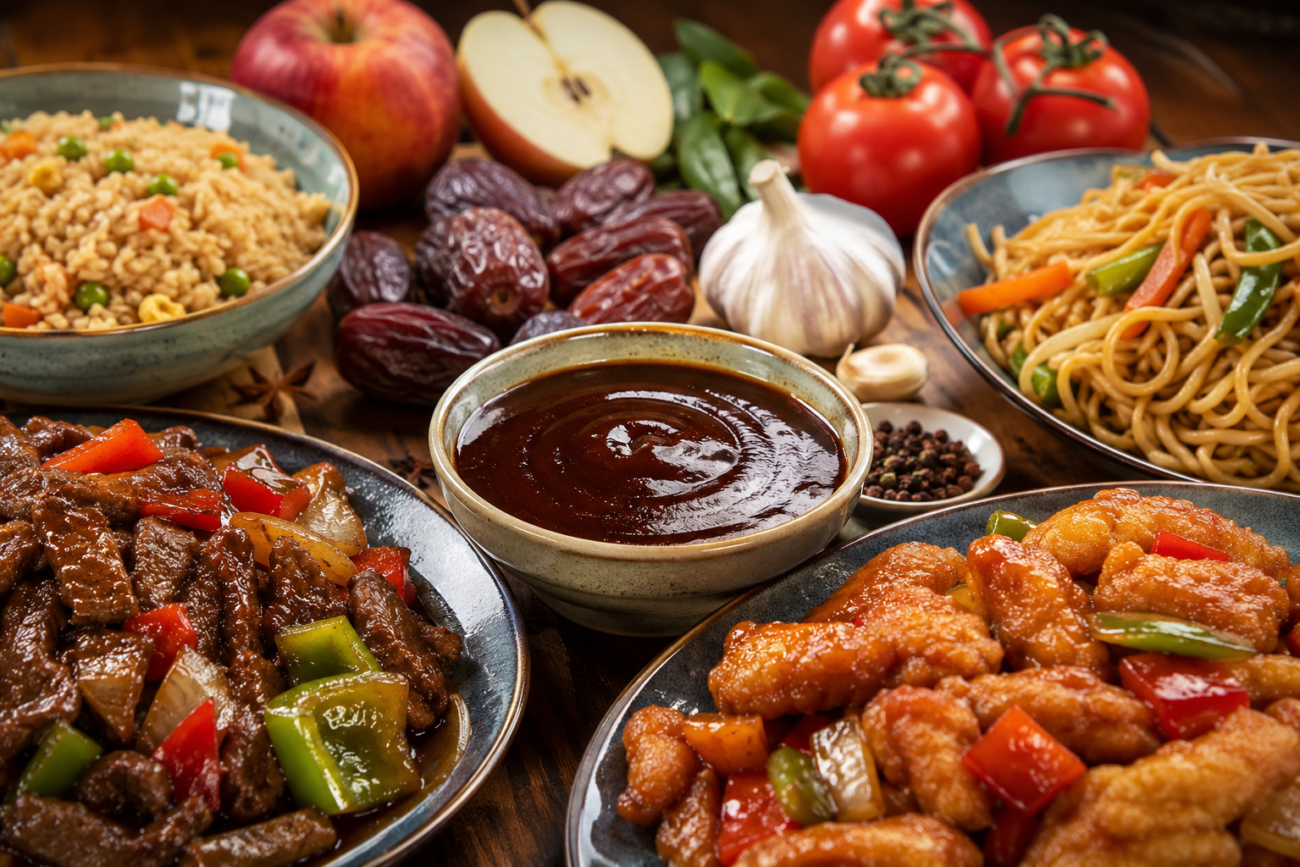
OK Sauce is a distinctive brown, fruity condiment with a sweet, tangy and savoury flavour. Although it is strongly associated with Chinese takeaways in Britain and other parts of the world, its history is actually rooted in the United Kingdom. The sauce has been produced for more than a century and has become particularly familiar in British Chinese cuisine.
Its unusual character comes from a combination of fruit, vinegar, tomato, sugar, spices and aromatic ingredients. Commercial versions can vary, but products sold as OK Sauce commonly have a thick, glossy consistency and a rich balance of sweetness and acidity.
So, what exactly is OK Sauce? What does it taste like, what goes into it, and how is it used? This guide explains the sauce’s background, ingredients, flavour profile, culinary uses and common questions.
Key Takeaways
- OK Sauce is a British-origin brown sauce that became closely associated with Chinese takeaway cuisine.
- Its flavour is generally sweet, tangy, fruity and savoury rather than intensely hot.
- Commercial versions commonly contain ingredients such as tomato, dates, apples, vinegar, sugar, spices and starch.
- OK Sauce is often used with beef, chicken, pork, vegetables, tofu, rice and noodles.
- Recipes and ingredient lists vary, so the label should always be checked for specific dietary or allergy requirements.
- It can be used as a cooking sauce, glaze, marinade or ingredient in other sauces.
What Is OK Sauce?
OK Sauce is a thick brown condiment traditionally associated with British brown sauces but now widely recognised in Chinese-style takeaway cooking.
The name can cause some confusion because many people first encounter OK Sauce on a Chinese restaurant or takeaway menu. However, the commercially produced sauce has British origins. Historical accounts trace it back to George Mason & Company, with production later associated with Colman’s.
Rather than being a straightforward soy-based Chinese sauce, OK Sauce has a more complex fruit-and-vinegar foundation. A commercial Colman’s version, for example, lists spirit vinegar, date puree, sugar, tomato paste and apple puree among its principal ingredients.
This combination gives the sauce its characteristic balance. It can be sweet enough to work as a glaze while still having enough acidity and savouriness to complement meat, vegetables and fried foods.
Is OK Sauce Chinese or British?
The short answer is British in origin, but strongly associated with British Chinese cuisine.
OK Sauce was developed in the United Kingdom rather than originating as a traditional sauce from China. Its history stretches back to the early 20th century, and the sauce later became especially popular in Chinese takeaway cooking.
This explains why someone might see OK Sauce on a Chinese takeaway menu even though its commercial history is British.
The sauce has effectively developed a place at the intersection of two food traditions: a British-style brown condiment and the sweet, savoury cooking associated with British Chinese takeaway food.
What Are the Ingredients in OK Sauce?
There is no single universal recipe for every OK Sauce. Ingredients differ between manufacturers and homemade recipes, so the exact formula depends on the product.
A commercial Colman’s OK Fruity Sauce, for example, lists:
- Spirit vinegar
- Date puree
- Sugar
- Tomato paste
- Apple puree
- Water
- Modified corn starch
- Salt
- Raisins
- Barley malt extract
- Fruit juice concentrates
- Citrus peel
- Onion powder
- Garlic powder
- Citrus oils
- Natural flavouring
These ingredients help explain why the sauce tastes different from simpler brown sauces or sweet-and-sour sauces.
Fruit
Fruit is an important part of many OK Sauce formulations.
Dates provide a deep sweetness, while apples contribute a lighter fruity acidity. Raisins and citrus ingredients can add additional layers of flavour. In commercial versions, fruit ingredients can also contribute to the sauce’s dark colour and thick texture.
Vinegar
Vinegar provides the sauce’s characteristic tang.
Without acidity, the sweetness from fruit and sugar could make the sauce feel heavy. The vinegar helps balance that sweetness and makes the sauce particularly suitable for rich or fried foods.
Tomato
Tomato paste or puree contributes body, colour and savoury depth.
It also helps connect OK Sauce to the broader family of brown and tomato-based condiments without making it taste simply like ketchup.
Sugar
Sugar contributes sweetness and helps balance the acidity of vinegar and fruit.
Different commercial and homemade recipes can use different sweetening ingredients. Some recipes also use brown sugar, molasses or similar ingredients to create a deeper flavour.
Spices and Aromatics
Spices and aromatic ingredients are another important part of OK Sauce’s character.
Depending on the formulation, these can include ingredients such as garlic, onion and various spice extracts. Homemade recipes often take a more flexible approach and may use ingredients such as five-spice powder, ginger or other warming spices.
What Does OK Sauce Taste Like?
OK Sauce is best described as sweet, tangy, fruity and savoury with gentle spice notes.
It is usually not considered an intensely hot chilli sauce. Instead, its complexity comes from the contrast between several flavours.
| Flavour | What it contributes |
|---|---|
| Sweet | Fruit and sugar create the main sweetness |
| Tangy | Vinegar provides acidity |
| Fruity | Dates, apples and other fruit add depth |
| Savoury | Tomato, salt and aromatics add body |
| Spiced | Seasonings provide warmth and complexity |
| Rich | Dark fruit and malt-style ingredients deepen the flavour |
The exact balance depends on the brand or recipe. Some versions may taste sweeter, while others have a stronger vinegar or spice character.
Is OK Sauce Spicy?
OK Sauce is generally mildly spiced rather than very hot.
Its flavour is more about sweetness, acidity, fruit and savoury depth than chilli heat. Homemade recipes can be made hotter by adding chilli flakes or fresh chilli, but this is not essential to the basic character of the sauce.
If you are ordering a dish described as being cooked in OK Sauce, it is therefore better to expect a rich, sweet-tangy flavour than the heat associated with chilli sauces.
How Is OK Sauce Used?
OK Sauce is particularly versatile because its sweet and acidic flavour works well with a variety of ingredients.
Beef in OK Sauce
Beef is one of the classic combinations found in British Chinese takeaway cooking.
Thinly sliced beef can be quickly stir-fried before being coated in a glossy OK Sauce mixture. The sauce’s sweetness complements browned meat, while its acidity prevents the dish from becoming overly rich.
Chicken in OK Sauce
Chicken works equally well with the sauce.
Crispy or stir-fried chicken can be coated in OK Sauce just before serving. The thick sauce clings well to cooked meat, creating a glossy finish.
Pork in OK Sauce
Pork’s natural richness pairs well with the sweet and tangy character of OK Sauce.
It can be used as a finishing glaze for cooked pork or incorporated into a stir-fry with vegetables.
Vegetables and Tofu
OK Sauce is not limited to meat.
Vegetables such as peppers, onions, mushrooms and broccoli can be stir-fried with the sauce. Tofu is another useful option. One recipe for crispy tofu-style cooking uses a sauce mixture containing tomato puree, soy sauce, rice vinegar, sweet chilli sauce and sugar.
Rice and Noodles
A small amount of OK Sauce can add flavour to rice or noodle dishes.
Rather than drowning the ingredients in sauce, start with a modest amount and increase it according to taste. This helps preserve the texture and flavour of the other ingredients.
OK Sauce vs Sweet and Sour Sauce
OK Sauce and sweet-and-sour sauce can look similar, but they are not the same.
Sweet-and-sour sauce generally focuses strongly on the contrast between sweetness and acidity. OK Sauce has a broader flavour profile, often combining fruit, tomato, vinegar, spices and savoury ingredients.
| Feature | OK Sauce | Sweet-and-Sour Sauce |
|---|---|---|
| Main character | Fruity, sweet, tangy and savoury | Sweet and acidic |
| Colour | Usually dark brown | Often red, orange or bright brown |
| Texture | Thick and glossy | Usually glossy and thick |
| Fruit profile | Often prominent | Varies by recipe |
| Spice complexity | Often more noticeable | Usually simpler |
| Common use | Chinese-style meat and stir-fries | Meat, vegetables and dipping |
The exact distinction varies by restaurant and recipe, but the two sauces should not automatically be treated as interchangeable.
OK Sauce vs Brown Sauce
OK Sauce belongs broadly to the world of brown sauces, but its flavour is more distinctive than a generic brown sauce.
British brown sauces commonly combine ingredients such as vinegar, tomatoes, sweeteners, fruit and spices. OK Sauce takes this general concept in a particularly fruity and complex direction.
This is one reason it can work both as a condiment and as a cooking ingredient.
Can You Make OK Sauce at Home?
Yes. Homemade versions are possible, although reproducing a particular commercial formulation exactly can be difficult because manufacturers may use proprietary recipes.
Simple homemade versions often combine ingredients such as:
- Tomato ketchup or tomato sauce
- Brown sauce
- Soy sauce
- Sugar
- Five-spice powder
- Water
- Cornflour for thickening
One published recipe, for example, uses water, ketchup, brown sauce, sugar, soy sauce, five-spice powder and cornflour.
Another approach is to build the sauce around fruit, vinegar and tomato, reflecting the characteristics found in commercial fruity OK Sauce products.
Basic Homemade Method
For a quick homemade version:
- Combine the sauce ingredients in a saucepan.
- Warm the mixture gently while stirring.
- Mix cornflour with a little cold water separately.
- Stir the slurry into the sauce.
- Simmer until the sauce thickens.
- Taste and adjust the sweetness, acidity or seasoning.
- Use immediately or cool according to the recipe’s storage instructions.
This creates a practical takeaway-style sauce, but it should not be presented as the exact commercial recipe.
What Foods Pair Well With OK Sauce?
OK Sauce works best with foods that benefit from a combination of sweetness, acidity and savoury depth.
Good pairings include:
- Beef stir-fries
- Crispy chicken
- Pork
- Tofu
- Mixed vegetables
- Fried rice
- Noodles
- Spring rolls
- Chips or other fried foods
- Grilled or roasted meats
It can also be incorporated into a larger sauce. Some commercial cooking recipes use OK Sauce alongside ingredients such as Worcestershire sauce, tomato sauce, vinegar and sugar.
How Should You Use OK Sauce?
The best method depends on the dish.
As a Stir-Fry Sauce
Add OK Sauce toward the end of cooking so it can coat the ingredients without being cooked excessively.
As a Glaze
Brush it over cooked or nearly cooked meat and vegetables. The sauce can create a glossy coating and add concentrated flavour.
As a Marinade
OK Sauce can form part of a marinade for meat, particularly when combined with other ingredients that complement its sweet and tangy character.
As a Dipping Sauce
A small bowl of OK Sauce can be served alongside fried foods or appetisers.
As a Base for Another Sauce
Because it already contains several layers of flavour, OK Sauce can be combined with ingredients such as soy sauce, vinegar or chilli to create a customised sauce.
What Should You Check on an OK Sauce Label?
If you are buying bottled OK Sauce, checking the ingredient and allergen information is important.
Recipes vary considerably, and some products contain ingredients that may matter to people with allergies or dietary restrictions. For example, the ingredient list for one Colman’s product includes barley malt extract.
You should therefore check the specific bottle rather than assuming every OK Sauce has an identical formulation.
Pay particular attention to:
- Allergens
- Gluten-containing ingredients
- Added sugar
- Sodium or salt
- Preservatives and additives
- Vegetarian or vegan suitability
Why Is OK Sauce Popular in Chinese Takeaways?
Part of OK Sauce’s appeal is its ability to deliver several flavour characteristics in one condiment.
A takeaway cook can use it as the foundation for a rich sauce rather than separately building every sweet, acidic, fruity and savoury component.
Its history also helps explain its unusual cultural position. Although British in origin, OK Sauce became established in British Chinese takeaway food and remains associated with dishes served in that setting.
That combination of British history and Chinese takeaway usage makes it a particularly distinctive condiment.
Frequently Asked Questions
Is OK Sauce actually Chinese?
No. The commercially produced sauce has British origins, although it became strongly associated with Chinese takeaway cuisine in Britain and other markets.
What is OK Sauce made from?
Ingredients vary by manufacturer, but commercial versions can contain vinegar, dates, sugar, tomato, apple, starch, salt, fruit ingredients, onion, garlic and flavourings.
Is OK Sauce the same as brown sauce?
Not exactly. OK Sauce belongs to the broader brown-sauce family but has its own distinctive fruity, tangy and spiced character.
Is OK Sauce spicy?
Usually, it is mildly spiced rather than hot. Its main flavour comes from sweetness, acidity, fruit and savoury ingredients.
What meat goes best with OK Sauce?
Beef, chicken and pork are all good choices. The sauce also works well with tofu and vegetables.
Can you make OK Sauce at home?
Yes. Homemade versions can be made with ingredients such as ketchup, brown sauce, soy sauce, sugar, five-spice powder and cornflour, although recipes vary.
Is OK Sauce the same as sweet-and-sour sauce?
No. Sweet-and-sour sauce generally focuses on sugar and acidity, while OK Sauce has a more complex fruity, savoury and spiced profile.
Is OK Sauce suitable for everyone?
Not necessarily. Ingredients vary between products, and some may contain allergens or ingredients unsuitable for particular diets. Always check the specific product label.
Conclusion
OK Sauce is a distinctive British-origin condiment with a strong connection to Chinese takeaway cuisine. Its appeal comes from its layered combination of sweet, tangy, fruity and savoury flavours rather than from intense chilli heat.
Commercial versions can contain ingredients such as dates, apples, tomato, vinegar, sugar, spices and thickening agents, although formulations differ between products.
Whether it is poured over beef, used with crispy chicken, stirred through vegetables or adapted into a homemade takeaway-style recipe, OK Sauce offers plenty of culinary flexibility. Understanding its ingredients and flavour profile makes it easier to choose the right dishes and use the sauce effectively at home.
